
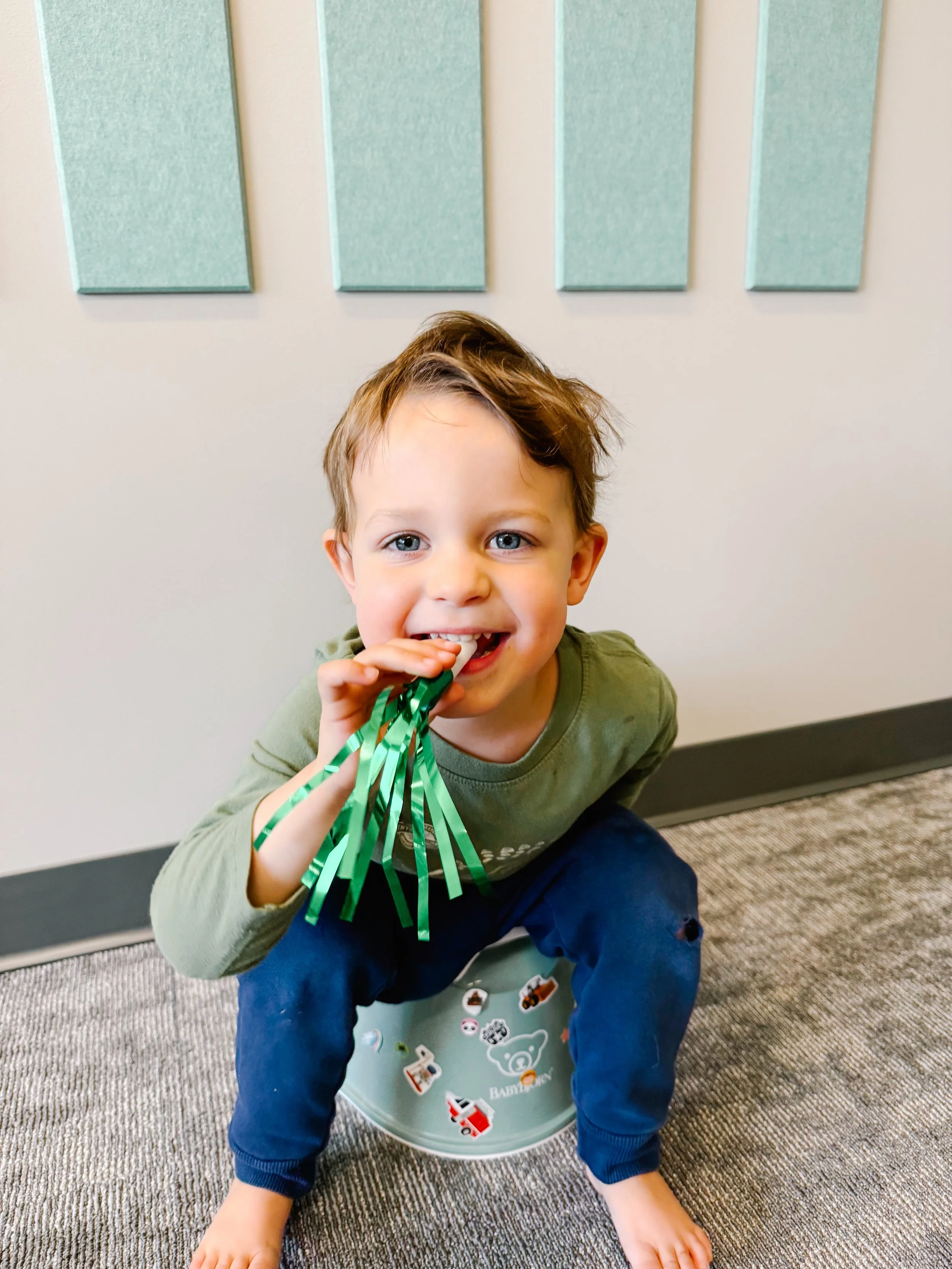
Pediatric Pelvic Floor, Potty Training, & Feeding Therapy in Denver, CO
When your child is struggling with accidents, constipation, potty training challenges, or picky eating, there is often more going on beneath the surface.
Our specialized pediatric occupational and physical therapists look at the whole child, their muscles, sensory needs, nervous system, and daily routines, to get to the root cause of the challenge and create a plan for lasting change
✔ 60-minute 1:1 sessions ✔ The same therapist every visit ✔ A care team that listens. ✔ Progress that lasts
START HERE
Does this sound like your child?
Choose what you’re noticing at home to learn what may be behind it and how therapy can help.
-
Getting to the root of it
When stool sits in the colon for too long, it can become hard and painful to pass. After one painful poop, a child may begin holding to avoid another. Over time, the rectum can stretch and the pelvic floor muscles may tighten around this pattern, creating a cycle that is difficult to break. Miralax can soften the stool, but it does not retrain the muscles or change the habits contributing to constipation.
What therapy looks like
We assess how the pelvic floor and abdominal muscles are working together, then help your child rebuild the mechanics of pooping. This may include toilet posture, relaxing the pelvic floor, pushing without straining, sitting at the right times after meals, and supporting healthy fiber and fluid intake. We also address sensory needs and nervous system regulation that may make pooping harder.
It takes a lot of coordination for little bodies to get all their poop out. We help your child break the cycle, build confidence, and get back to the things that matter most to them.
-
Getting to the root of it
Daytime accidents after potty training can happen for several reasons. A child may not be emptying their bladder completely, constipation may be affecting how the bladder works, or they may have trouble noticing the urge to go. Sometimes they notice it but put it off because they’re busy playing or uncomfortable using the bathroom at school.
What therapy looks like
We look at what’s driving your child’s accidents and build a plan around it. That may include addressing constipation, helping their bladder empty more fully, and teaching them to recognize and respond to their body’s signals. We help kids understand those unexpected “sneaky pees and poops” without shame.
-
Getting to the root of it
Nighttime wetting is often the last piece to resolve. It may be connected to daytime constipation, incomplete bladder emptying, reduced bladder capacity, or difficulty waking to the bladder’s signals. We also consider factors such as airway or sleep concerns and nighttime production of the hormone that slows urine production. When needed, we help families connect with the appropriate medical provider to rule out underlying concerns.
What therapy looks like
We start by addressing what is happening during the day, because improving bowel and bladder function often leads to drier nights. Then we look at bladder capacity, fluid timing, bathroom habits, sleep patterns, and the evening routine. Our Dry Nights Program gives families an individualized, step-by-step plan to support progress without blame, pressure, or shame based charts.
-
Getting to the root of it
When potty training is not progressing, your child’s response gives us useful information. They may not be physically ready, may feel afraid of the toilet or body sensations involved, or may already be withholding. Adding more pressure can make each of these challenges harder.
What therapy looks like
We start with a personalized evaluation to pinpoint what is happening in your child’s body and what is making potty training difficult. We look at bowel and bladder function, pelvic floor coordination, body awareness, sensory needs, and any fear or withholding patterns. From there, we create an individualized plan of care to help your child overcome those challenges through play, movement, skill building, and parent support.
-
Getting to the root of it
The bathroom can feel overwhelming for children who are sensitive to sounds, smells, lighting, toilet seats, wiping, or the feeling of releasing pee or poop. Other children may have difficulty noticing their body’s signals until the urge feels urgent. These sensory differences can lead to fear, avoidance, withholding, or accidents.
How therapy can help
We look at how your child experiences the bathroom and interprets their body’s signals. Through play, movement, gradual exposure, and nervous system regulation, we help your child feel safer and more comfortable with each part of toileting. We also create practical routines and strategies that families can use at home, school, and in public bathrooms.
-
Getting to the root of it
A child who feels like they need to pee or poop urgently or frequently may be having trouble interpreting their body’s signals. The bladder may be irritated, may not be getting the chance to fully fill, or may be affected by constipation and a full bowel. The pelvic floor may also be tightening instead of relaxing when it is time to pee or poop.
What therapy looks like
We assess how your child’s bladder, bowel, pelvic floor, and abdominal muscles are working together. Then we create an individualized plan to improve the body’s fill-and-empty rhythm through bathroom timing, breathing, pelvic floor relaxation, body awareness, and healthy fluid and bowel habits. We help your child recognize and respond to their pee and poop signals with more comfort and confidence.
More On Urgency →
-
Getting to the root of it
When medical testing does not find a clear cause, abdominal or pelvic pain may be related to retained stool, changes in gut motility, muscle tension, breath-holding, or a nervous system that keeps the body tense and guarded. The pain is real, even when tests come back normal.
What therapy looks like
We assess how the abdomen, pelvic floor, breathing muscles, and nervous system are working together. Treatment may include gentle hands-on techniques, breathing, movement, muscle relaxation, and strategies that help the body feel safe enough to release tension. We also teach parents techniques they can use at home to support their child between sessions.
-
Getting to the root of it
Constipation, bladder leaks, urgency, pelvic pain, and painful periods can affect school, sports, sleep, and confidence. These symptoms may be connected to pelvic floor tension or weakness, bowel and bladder habits, breathing patterns, posture, or nervous system stress.
How therapy can help
We provide respectful, age-appropriate care that helps teens understand what is happening in their bodies without embarrassment or shame. Treatment may include movement, breathing, pelvic floor coordination, bowel and bladder strategies, and practical tools they can use in everyday life. Each teen has a voice in their care, and treatment is always guided by their comfort. description
-
Getting to the root of it
Autism, ADHD, developmental differences, neurological conditions, mobility needs, medications, and complex medical histories can all affect toileting. Sensory processing, communication, body awareness, muscle coordination, digestion, and established routines may each play a role.
How therapy can help
We take time to understand your child’s body, communication style, sensory needs, and medical history. Therapy is individualized, play based, and adapted to help your child participate successfully. We work alongside your family and other providers to create practical bowel, bladder, and toileting strategies that respect your child’s needs, comfort, and pace.
-
Getting to the root of it
Very selective eating is rarely a child simply refusing to try. Sensory differences, oral motor skills, anxiety, uncomfortable past experiences, or digestive concerns can all make eating feel difficult. Pressure at the table can increase stress and reinforce the cycle.
What therapy looks like
Our feeding therapy program is launching soon. Following the SOS Approach to Feeding, we use play based, pressure free treatment to build comfort with food, expand tolerance, and develop the skills needed for eating. We also coach parents on practical mealtime routines so meals feel calmer and more manageable for the whole family. Contact us to join the waitlist.
-
Getting to the root of it
Babies who arch, clench, seem uncomfortable, or cry after feeding may be experiencing body tension or movement restrictions that make feeding and digestion harder. Positioning, muscle coordination, and difficulty relaxing can contribute to challenges with latch, gas, reflux, constipation, and tummy time.
What therapy looks like
Our infant occupational and physical therapists assess how your baby moves, feeds, breathes, and responds to different positions. Treatment may include gentle positioning, movement, tummy time support, and hands-on techniques to improve comfort and ease tension. We also show you simple strategies to use between visits. Every session follows your baby’s cues and comfort.
-
Not sure where your child’s challenges fit?
What might be going on
Sometimes families simply know that something feels off. Your child may avoid the bathroom, struggle to notice their body’s signals, become overwhelmed by toileting routines, or have medical, neurological, sensory, or developmental needs that make bowel and bladder care more complicated. We work with children of all abilities, including autistic and neurodivergent children.
How we can help
Tell us a little about what you are noticing, and our team will help determine the best next step. If your child’s needs fall within our specialty, we will explain how therapy may help. If another provider would be a better fit, we will guide you toward the right type of support.
Can this really help my child?
THE HONEST ANSWER
Many families find us after trying everything. They have changed routines, followed advice, talked with providers, and waited for their child to grow out of it, yet the challenges continue. By the time they walk through our doors, they are often feeling frustrated, exhausted, and unsure where to turn next.
At the first visit, we slow down and listen to the whole story. We learn what you have already tried, what has and has not worked, and how these challenges are affecting your child and family. Then we look at the full picture, including muscles, bowel and bladder habits, sensory needs, daily routines, and nervous system regulation.
From there, we create a plan of care designed around your child. We become part of their care team, working alongside your family and other providers to adjust the plan as your child progresses. For many families, it is a relief to finally feel heard, understand what may be happening, and receive the thoughtful support they have been looking for.
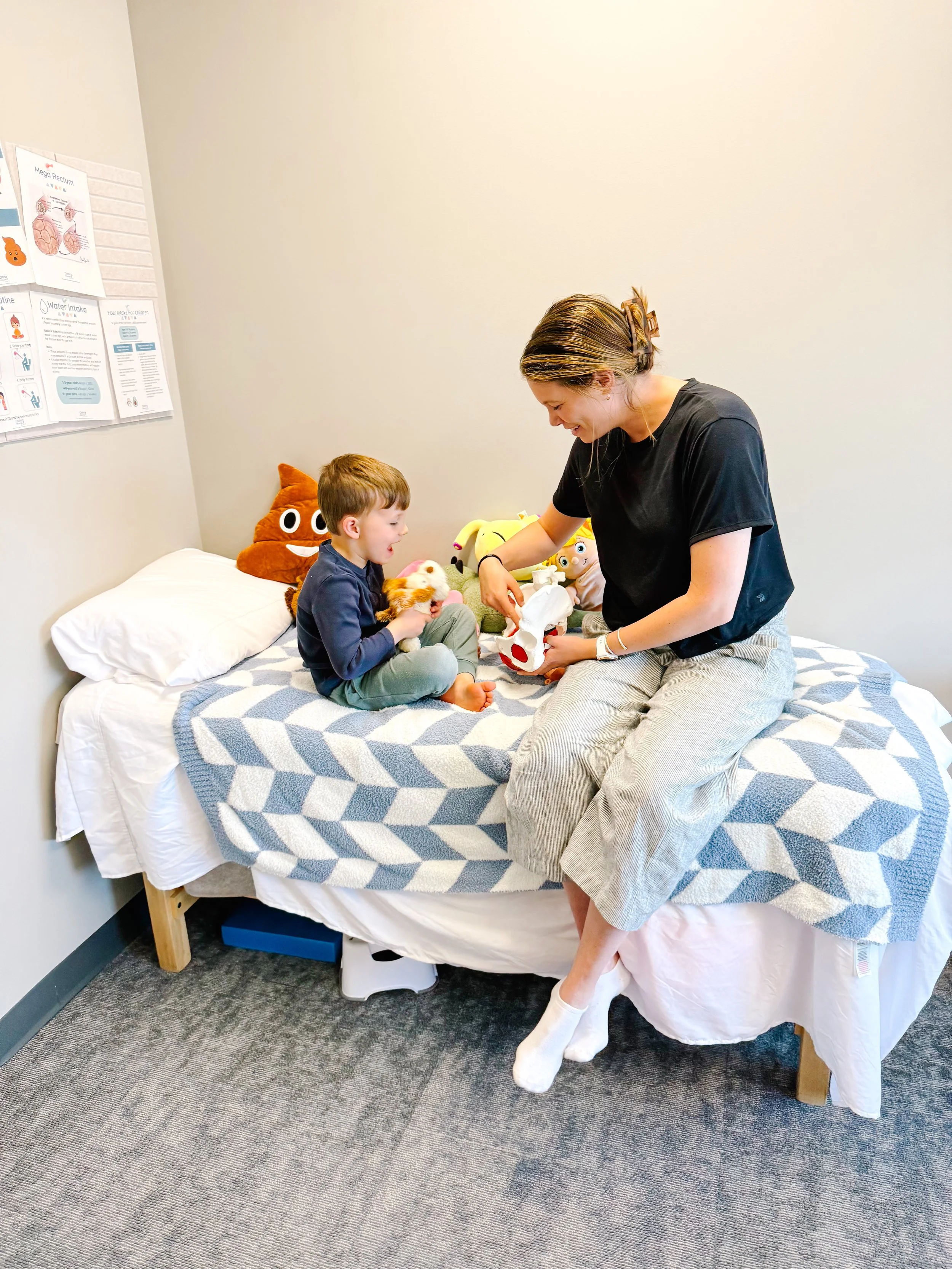
Care from the newborn weeks through adolescence
OUR SERVICES
Pediatric Pelvic Floor Therapy
For constipation, withholding, daytime accidents, bedwetting, pee urgency, tummy pain, potty training challenges & more!
Infant OT & PT
Gentle support for reflux, gas, colic, tension, and digestive discomfort in babies from birth through infancy.
Potty Training Consultations
One-on-one guidance and coaching for parents, whether you’re starting potty training for the first time or troubleshooting challenges like withholding, accidents, fear of the toilet, constipation, and creating a plan that works for your child.
Coming soon
Feeding Therapy
Support for picky eating, selective eating, oral motor concerns, mealtime stress, and building confidence around food.
HOW IT WORKS
From feeling stuck to growing strong roots.
1
Tell us what's going on
Call us, complete our contact form, or schedule a consultation call. Someone from our team will respond within one business day to learn more about what is going on, answer any questions you may have, and talk through how we can help.
2
The evaluation
A comprehensive, 60-minute evaluation designed to feel fun and comfortable for your child. Through conversation, play, and movement, we get to know your child while looking at muscle function, bowel and bladder habits, nutrition, sensory needs, daily routines, and their full history. Then we explain what we found and create a plan of care tailored to your child and family.
3
A plan that works for real family life
Therapy includes fun, play-based sessions in the clinic and a simple home routine that fits into a normal weeknight. You stay in the room, learn alongside your child, and remain an important part of the care team.
4
Progress that lasts beyond therapy
Our goal is lasting change. We discharge when your child’s progress is holding at home and they no longer need our support. After every evaluation, we share our findings and recommendations with the referring provider so your child’s care team stays connected.
OUR APPROACH
Strong roots start here.
Most families come to Mighty Roots knowing something is not working, but unsure why or what to try next. We slow down, listen to the whole story, and look beyond the symptoms to understand what is happening in your child’s body.
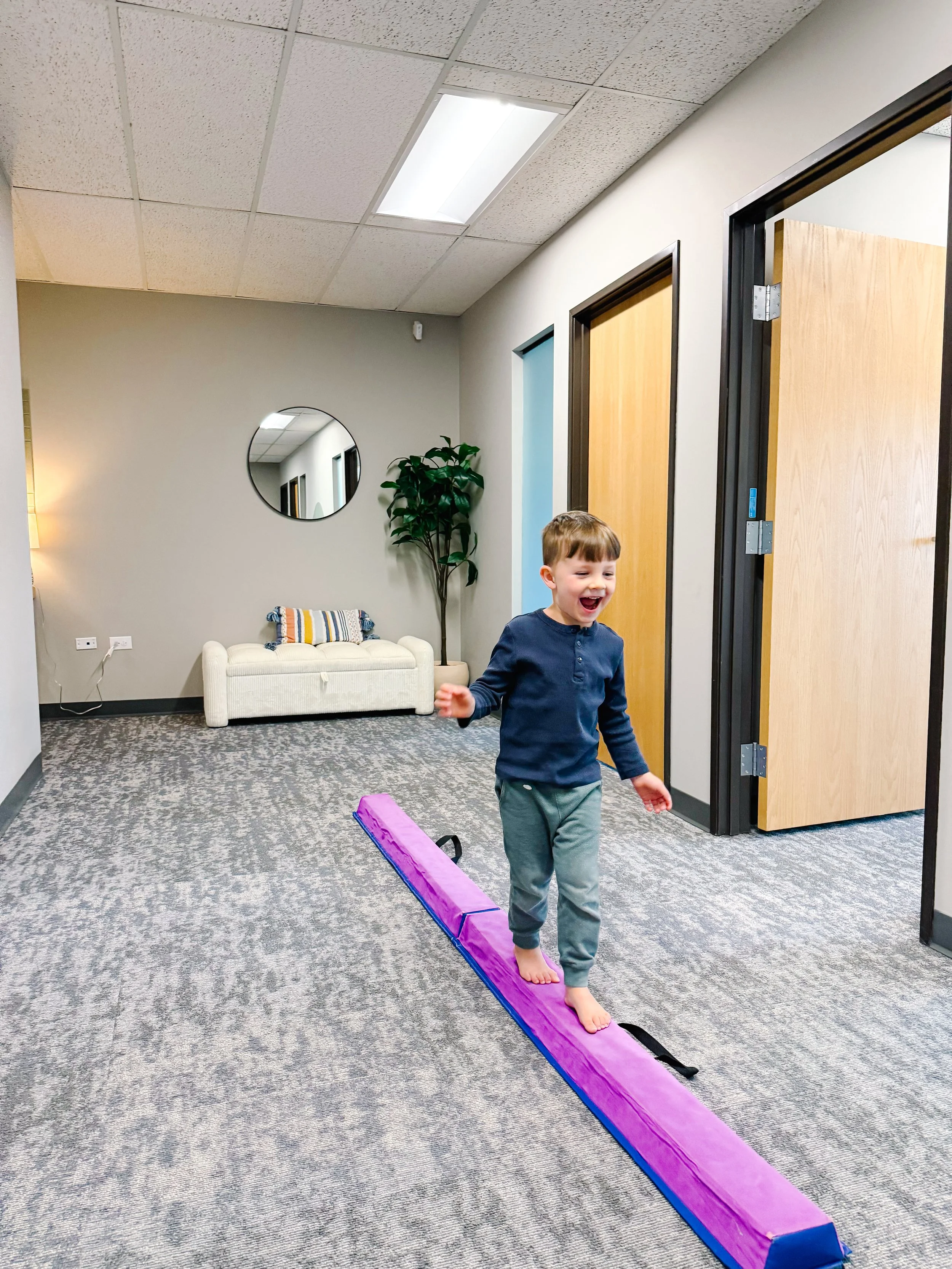
Pediatric pelvic floor and feeding therapy is all we do. Your child receives one-on-one, play-based care from specialized occupational and physical therapists who understand how kids’ bodies develop, how they experience the world, and what helps them feel safe and successful.
Whether your child is navigating constipation, accidents, bedwetting, potty training struggles, tummy pain, colic, reflux, or feeding challenges, we’ll help your family understand what is going on and build a plan for lasting change, with plenty of fun along the way.
You do not have to figure it out alone. We are here to be part of your child’s team every step of the way.
✓⃝. Trauma-informed & play-based
✓⃝. Parents in the room
✓⃝. Private treatment rooms
✓⃝. Whole-child care, rooted in the “why”
✓⃝. Collaborative care for lasting progress.
What families are saying…
★★★★★
Annie is so great with my son! She is fun and patient and has given us such great care. He gets so excited when I tell him we’re on our way to play with Annie. We just stopped taking miralax a few weeks ago after him being constipated his whole life. Highly recommend!
— S.H.★★★★★
Dr Rianna is wonderful. My child was struggling with potty issues and after 8wks of pelvic floor PT, we saw major improvements. Most importantly, Dr Rianna provided a safe, loving and fun environment to work on something rather sensitive for all. My child looked forward to seeing Dr Rianna once a week & completing her homework assignments. Words don’t do justice to how grateful we are to have found Dr Rianna and Mighty Roots. I highly recommend this group.
-N.M
★★★★★
Our son struggled with bedwetting for years, and we felt like we had tried everything. Emily helped us finally understand what was contributing to it instead of simply managing the accidents. She was knowledgeable, thoughtful, and incredibly supportive, and she made every session feel comfortable and fun for our son. We saw real progress, but even more importantly, he regained his confidence. We are so grateful for Emily’s care and guidance and highly recommend her and Mighty Roots Therapy!
-C.JSpecialized care for bowel, bladder, potty training, and feeding challenges — because every child deserves mighty roots and the freedom to just be a kid.
Strong roots. Mighty kids.
Ready to get started?