

Toileting Support for Autistic & Neurodivergent Kids. Understanding their needs. Building on their strengths.
Noticing the urge to go, feeling comfortable in the bathroom, and changing familiar routines can each bring challenges. We take time to understand your child’s sensory needs, communication, and how they experience their body, then build on their strengths to make toileting more comfortable and manageable.
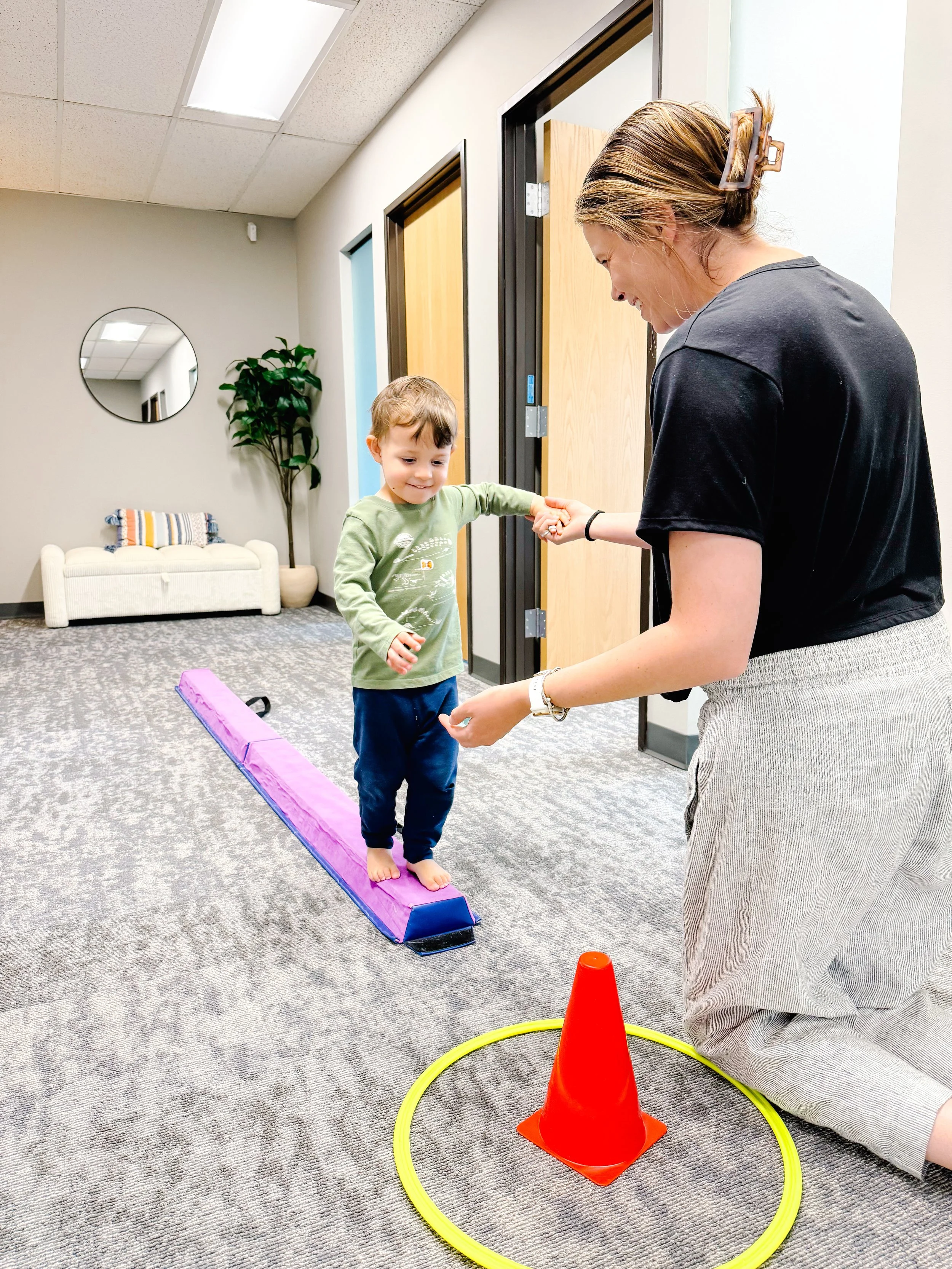

There’s more than one way to get there.
Toileting progress looks different for every child. We work with your family to find approaches that fit how your child learns, communicates, and feels most comfortable, so each step is meaningful to them.

Common bathroom challenges
WHAT WE SEE
Difficulty noticing body signals, sensory discomfort, and changes in routine can make toileting harder. We look beyond what your child is doing to understand what they’re experiencing and where they need support.

Understanding your child’s bathroom experience
GETTING TO THE ROOT OF IT
Using the toilet involves noticing body signals, moving through a sequence of steps, and relaxing the right muscles—all while managing the sounds, smells, and sensations of the bathroom. Each child may need different support with these pieces.
We bring together pelvic health, sensory processing, motor planning, and regulation strategies to build a plan around your child. We also collaborate with your family and other providers to make those strategies practical for home and school.
A space that adapts to your child
We adjust lighting, sound, and opportunities for movement to support your child’s comfort. We follow their cues, respect how they communicate, and make room for breaks whenever needed.
Every communication style
Whether your child uses words, gestures, a communication device, or other cues, we take time to understand how they express their needs and include them in their care.
WHAT THERAPY LOOKS LIKE
Building skills that work for your child
In pediatric pelvic floor therapy through play, familiar interests, and routines adapted to your child’s needs, we help them recognize body signals, feel more comfortable in the bathroom, and build toileting skills for everyday life.
Body awareness
Building interoception so internal signals make sense.
Muscle coordination
More effective bowel and bladder control.
Sensory comfort
Gently adapting to the bathroom environment.
Predictable routines
Plus calming tools that make transitions easier.

Support that sees your whole child
Your child’s strengths, needs, and comfort guide our care. Together, we work toward toileting goals that make everyday life easier for your child and family.